
Bloating in Perimenopause: What’s Really Going On
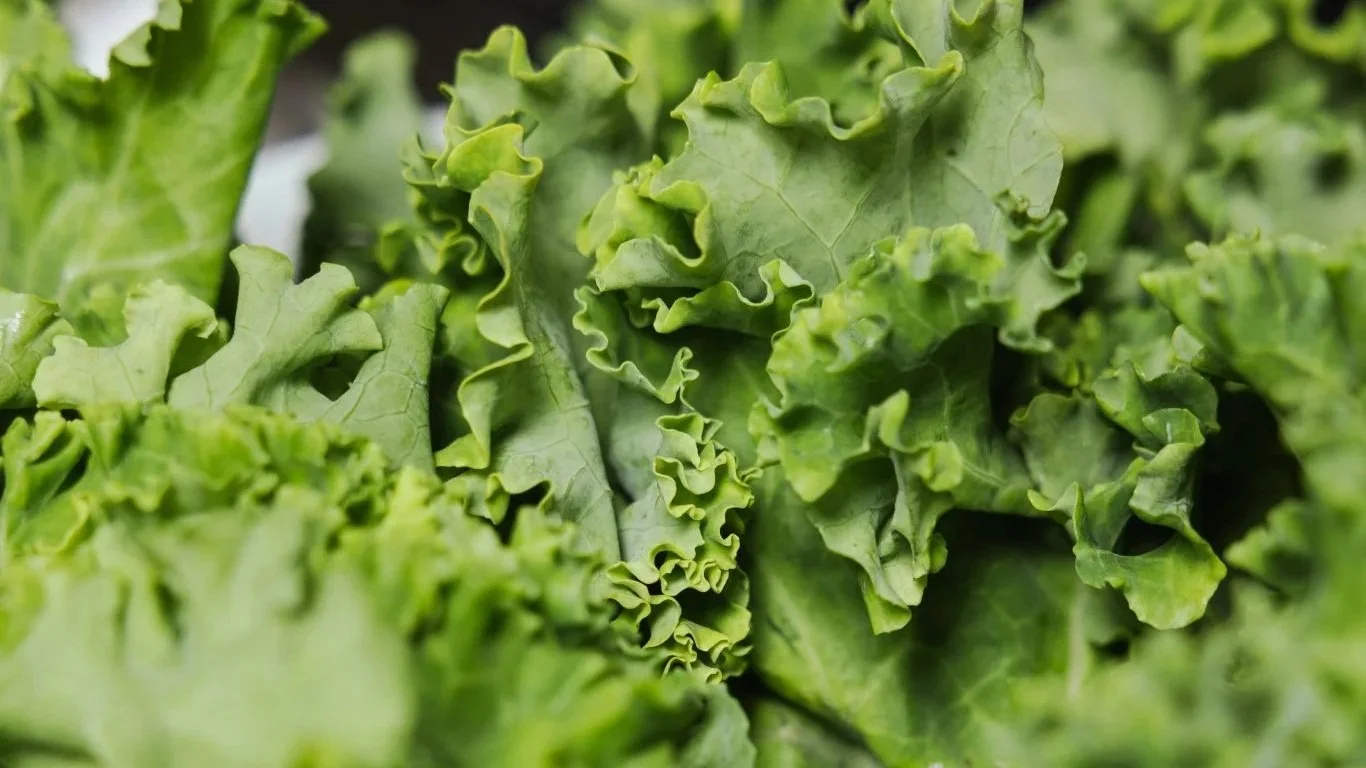
Struggling with bloating in perimenopause or menopause?
Hormonal changes can slow digestion, disrupt the microbiome, and increase gut sensitivity. Here’s what might be happening and what could help.
Bloating after eating can happen at any age, but it often becomes more noticeable in perimenopause, when IBS-type symptoms can flare. For some, it’s a mild sense of fullness after meals; for others, it’s visible distension, discomfort, or irregular bowels.
While occasional bloating is normal, new, persistent, or more painful bloating should always be discussed with your GP. The ideas in this article are designed for women who have had serious causes checked and are still struggling with day-to-day bloating around perimenopause, where hormonal changes may be playing a significant role (1).
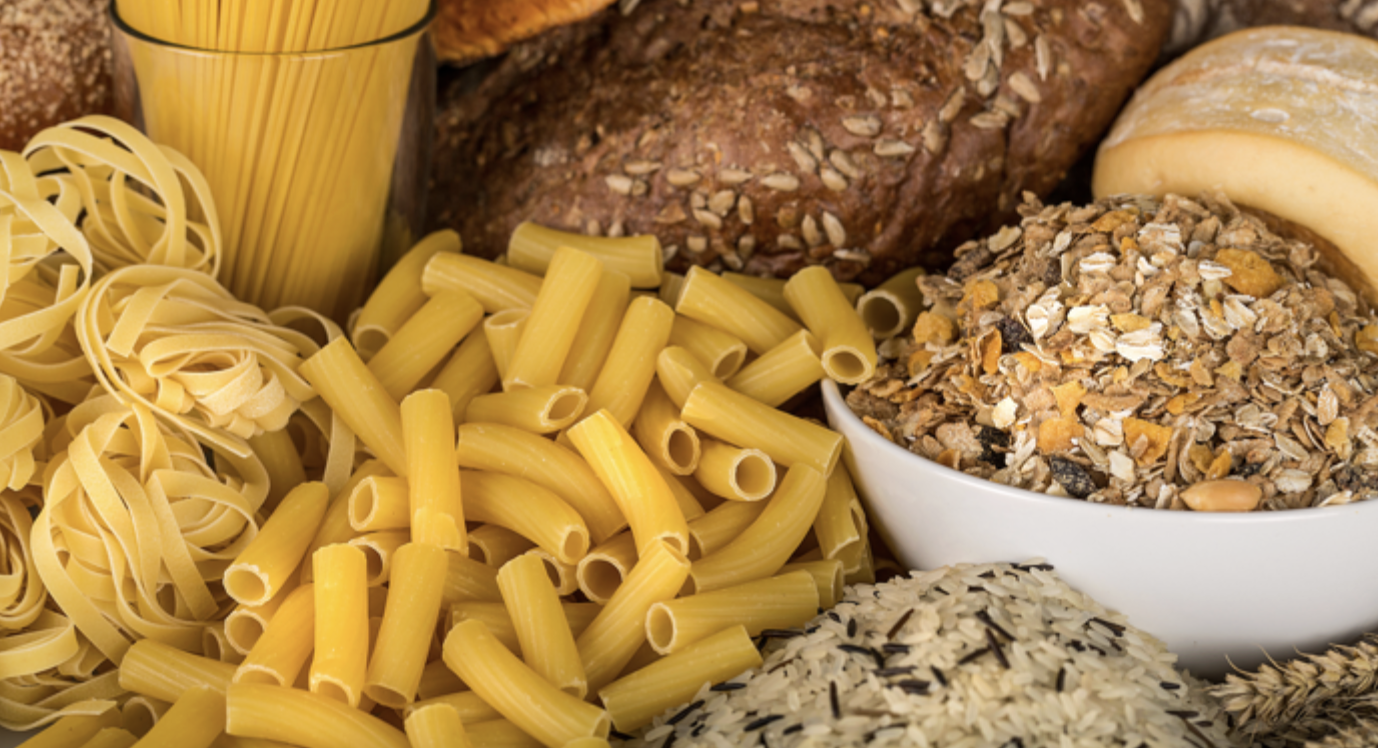
NHS Mendip Vale Medical Group. 2023 Starchy Foods and Carbohydrates.
How Hormonal Changes Affect Digestion
Both oestrogen and progesterone play a role in how your digestion functions. As these hormones rise and fall during perimenopause, they may influence how quickly food moves through your gut, how sensitive your stomach feels, and the balance of your gut bacteria (2).
Together, these changes can make digestion slower, increase gas production, and heighten abdominal sensitivity — all of which can contribute to feeling more bloated.
When oestrogen drops, gut transit may slow, and bile flow can change. Bile plays a key role in digesting fats and helping food move through the gut. This can make it harder to digest richer meals, sometimes leading to fullness, nausea, upper-abdominal tightness, or bloating after foods higher in saturated fats (such as butter, cream, cheese) or refined and starchy carbohydrates (like white rice, pasta, bread, or potatoes).
When progesterone fluctuates, it can relax the smooth muscle in the digestive tract. For some women, this may mean sluggish digestion, constipation, and a heavier, more bloated feeling. These hormone shifts can also increase fluid retention and abdominal sensitivity, which may help explain why gas levels you may have tolerated easily in the past now feel more noticeable or uncomfortable (3).
The Gut Microbiome Connection
The gut microbiome, the vast community of bacteria living in your intestines, is closely influenced by sex hormones. Oestrogen appears to support certain bacterial species that help with bile acid metabolism, motility, and mucosal health. As levels fall, this balance may shift, sometimes leading to reduced microbial diversity and increased fermentation of carbohydrates, both of which can contribute to bloating and IBS-type symptoms such as gas, distension, and irregular bowel movements. Diets higher in refined, starchy, and sugary carbohydrates may be linked with more of these symptoms compared to those richer in complex or wholegrain options such as brown rice, wholemeal pasta and bread, grains, and legumes (4).
An imbalance in gut bacteria (sometimes called dysbiosis) may also play a role. It can be associated with increased food sensitivities, reduced digestive enzyme activity, and variable bowel patterns, all of which many women notice more often during perimenopause and menopause.
Stress and the Gut–Brain Axis
The gut and brain are in constant conversation via the vagus nerve, a major communication pathway that runs from the brainstem down through the chest into the digestive tract. This bidirectional ‘gut-brain axis’ means that what’s happening in your mind can influence digestion, and digestive discomfort can, in turn, affect how you feel emotionally. Stress and anxiety may amplify bloating through their effects on the vagus nerve, which helps regulate gut motility and digestive secretions.
When stress levels are high, the body’s sympathetic nervous system, the ‘fight or flight’ response, can slow digestion and heighten gut sensitivity. Many women notice their bloating is worse when they’re rushing, skipping meals, or feeling under pressure.
Simple practices that engage the parasympathetic ‘rest and digest’ response can be helpful. Taking a few slow breaths before eating (for example, in for 4 and out for 8), or pausing briefly between mouthfuls, can help calm the nervous system before a meal and may reduce digestive discomfort afterwards (5).
Everyday Triggers and Lifestyle Factors
Hormones may set the stage, but day-to-day habits often influence whether bloating is an occasional nuisance or something you notice most days.
Common contributors include:
Refined carbohydrates and added sugars
These can feed less beneficial bacteria and increase fermentation in the gut.
Carbonated or alcoholic drinks
The gas in fizzy drinks and the excess fructose in some alcoholic drinks can both contribute to bloating.
Artificial sweeteners (e.g. sorbitol, mannitol, xylitol)
These are poorly absorbed and easily fermented by gut microbes. Check labels on foods and drinks marked “no added sugar” or “low calorie” (such as cordials, sports drinks, low-fat yoghurts, protein shakes, and chewing gum).
Large portions of cruciferous vegetables (especially raw)
Vegetables like broccoli, cabbage, kale, and Brussels sprouts are highly nutritious and helpful for hormone balance in perimenopause, but their sulphur compounds can create gas in more sensitive digestive systems. It’s usually worth including as much as you comfortably tolerate, as they provide key nutrients that help the liver process and clear used hormones via the gut.
Low stomach acid
More common with age and stress, this may impair protein digestion and increase fermentation in the large intestine, which can lead to discomfort and wind.
Gallbladder sluggishness
Fluctuating oestrogen levels, particularly alongside a low-fibre diet, may affect bile flow. This can make fattier meals harder to digest and sometimes trigger upper-abdominal discomfort or bloating.
Constipation
When waste remains in the colon for longer, it can ferment and produce excess gas, adding to feelings of fullness and distension.
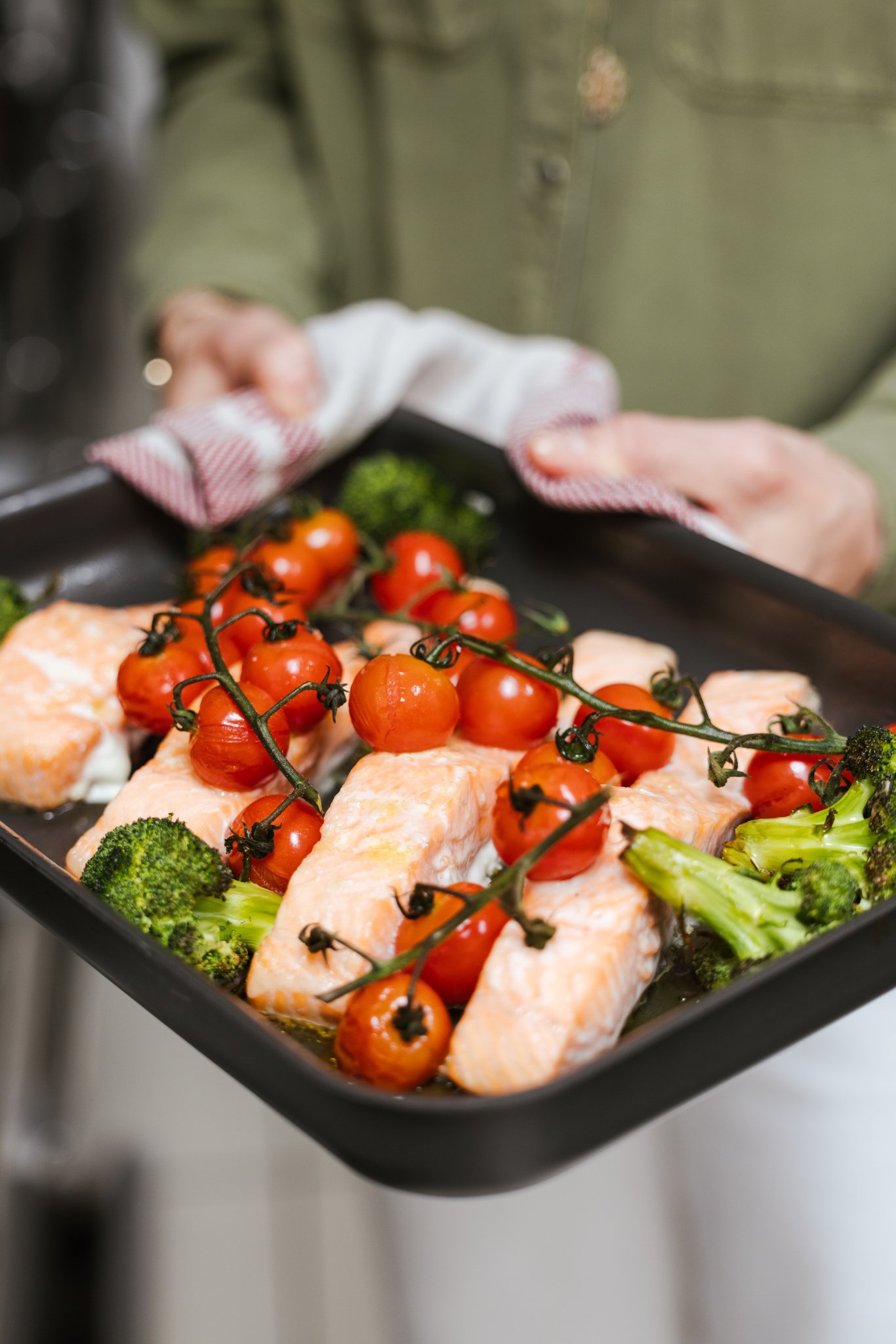
So what can you do?
Supporting digestion during perimenopause doesn’t usually require an extreme diet - more often, it’s about a steady, balanced approach that feeds your gut well and reduces excess fermentation.
1. Eat balanced meals
Try to include protein, fibre, and healthy fats at each meal. Together, these can help slow gastric emptying, stabilise blood sugar, support bowel motility, and keep energy steadier across the day.
My Guide to building balanced, satisfying lunches helps you put this into practice and you can apply this simple framework to your evening meals as well.
2. Increase fibre gradually
Aim for variety, ideally at least 30 different plant foods per week, but build this up slowly if you’re prone to gas or bloating. Steamed or roasted vegetables are often gentler than large raw salads. Increase beans and pulses in small amounts to build tolerance. As a guide, focus on plenty of vegetables (leafy/green and colourful), plus berries, oats, chia or flaxseed, and shelled hemp.
If you're not sure how much fibre you're currently getting, my Guide to eating 30g of fibre a day shows the fibre content of everyday foods and simple meal ideas.
3. Reduce gut inflammation and support motility
Where possible, leave 3-4 hours between meals and aim to stop eating about 3 hours before bed, with at least a 12-hour overnight fast. In midlife, it may be best not to extend this beyond about 14 hours, as longer fasts can be more stressful for the body. This gentle overnight break from eating gives the gut time to clear debris, repair, and reset. Regular movement (especially walking) and good hydration also help stimulate the ‘migrating motor complex’ - the gut’s natural cleansing rhythm between meals.
4. Reduce refined sugars and processed foods
When you can, choose wholegrains, vegetables, fruit, pulses, nuts, and seeds more often than white bread, pastries, sweets, and ultra-processed snacks. This pattern tends to support a more diverse, balanced microbiome.
5. Choose drinks that are kind to digestion
Swapping cordials, fruit juices, and sugary or very fizzy drinks for still or lightly sparkling water and herbal teas can reduce gas and excess sugar intake. If you drink alcohol, drier options (such as a wine spritzer or spirits well diluted with soda and citrus) are often better tolerated than sweet mixers.
6. Support bile flow and stomach acid
Bitter foods such as rocket, watercress, lemon, beetroot, and ginger may help stimulate bile and support the breakdown of fats. Including these in salads, dressings, or teas can be a gentle way to support digestion.
7. Manage stress
Simple practices like mindful eating, a few deep breaths before you start (for example, in for 4, out for 8), or a short walk during the day can help calm the nervous system. This ‘rest and digest’ state supports better motility, enzyme release, and overall digestive comfort.
Need more personalised support?
If digestive symptoms are persistent or you're finding it difficult to work out what may be contributing to them, nutritional therapy takes a more individual look at your diet, symptoms, and wider health. You can find out more about working with me here.
Disclaimer
Content shared by Jane Lawson is for informational purposes only and is not intended to diagnose, treat, cure, or prevent any medical condition. It does not replace medical advice. Always speak to your GP or a qualified healthcare professional with any health concerns, and before making changes to your diet, exercise routine, medication, or overall health plan.
When to Seek Professional Advice
Bloating is common, but persistent, severe, or worsening symptoms shouldn’t be ignored. Speak to your GP or a qualified practitioner if you experience:
Unexplained weight loss
Rectal bleeding
Iron deficiency or anaemia
A change in bowel habits lasting more than six weeks
A family history of bowel or ovarian cancer
These symptoms don’t necessarily mean something serious is wrong, but they do warrant further investigation to rule out underlying conditions.
References
Lenhart, A., Naliboff, B., Shih, W., Gupta, A., Tillisch, K., Liu, C., Mayer, E. A., & Chang, L. (2020). Postmenopausal women with irritable bowel syndrome (IBS) have more severe symptoms than premenopausal women with IBS. Neurogastroenterology and Motility : The Official Journal of the European Gastrointestinal Motility Society, 32(10), e13913. https://doi.org/10.1111/nmo.13913
Chen, C., Gong, X., Yang, X., Shang, X., Du, Q., Liao, Q., Xie, R., Chen, Y., & Xu, J. (2019). The roles of estrogen and estrogen receptors in gastrointestinal disease. Oncology Letters, 18(6), 5673. https://doi.org/10.3892/ol.2019.10983
Gonenne J, Esfandyari T, Camilleri M, Burton DD, Stephens DA, Baxter KL, Zinsmeister AR, Bharucha AE. Effect of female sex hormone supplementation and withdrawal on gastrointestinal and colonic transit in postmenopausal women. Neurogastroenterol Motil. 2006 Oct;18(10):911-8. doi: 10.1111/j.1365-2982.2006.00808.x. PMID: 16961694.
Peters BA, Santoro N, Kaplan RC, Qi Q. Spotlight on the Gut Microbiome in Menopause: Current Insights. Int J Womens Health. 2022 Aug 10;14:1059-1072. doi: 10.2147/IJWH.S340491. PMID: 35983178; PMCID: PMC9379122.
Bashir, Z., Hugerth, L.W., Krog, M.C., Prast-Nielsen, S., Edfeldt, G., Boulund, F., Schacht, S.R., Tetens, I., Engstrand, L., Schuppe-Koistinen, I., Fransson, E. & Nielsen, H.S., 2024. Investigations of microbiota composition and neuroactive pathways in association with symptoms of stress and depression in a cohort of healthy women. Frontiers in Cellular and Infection Microbiology, 14, article 1324794. https://doi.org/10.3389/fcimb.2024.1324794