Baked hake with smoky tomato sauce, courgettes and couscous
This is one of my go-to midweek dinners. It’s quick and mostly hands off, and it gets protein, plenty of vegetables and wholegrains onto the plate in one go.
You can make the tomato sauce up to 3 days ahead. On the night, you just reheat it, add the fish and pop it in the oven for 15 minutes. That makes it easy on a busy weeknight, but it also works well for friends at the weekend. Once it’s in the oven there’s very little left to do, so you have more time to sit down and catch up.
I’ve used hake here, but cod works just as well. It’s worth buying the best quality fish you can.
Why it’s a good one
Protein: around 30g per serving, mostly from the fish, which fits the 30g-per-meal aim from my protein guides [CHECK]. Protein contributes to the maintenance of muscle mass, which matters more as we move through midlife.
Plants: around 8 different plants, depending on your grain and greens, plus smoked paprika. That’s a good step towards 30 plants a week.
A balanced plate: protein, wholegrains and vegetables together, the kind of meal that tends to keep you satisfied until the next one.
Ingredients
Serves 4
2 tbsp extra virgin olive oil
1 medium onion, small dice
1 red pepper, small dice
1 large garlic clove, finely chopped
1 tsp sweet smoked paprika (pimentón dulce), or regular paprika if you prefer a less smoky flavour
2 x 400g tins cherry tomatoes, or chopped plum tomatoes
1 tsp sea salt, plus a little extra
4 hake or cod fillets (about 120-150g each)
1 large courgette, cut into 1cm rounds
1 lemon, cut into wedges
A small handful of chopped parsley
200g wholewheat couscous
Method
Heat 1 tbsp of the olive oil in a wide, shallow, ovenproof pan. Add the onion and cook for 5 minutes. Add the red pepper and cook on a low heat for a further 10 minutes.
Stir in the garlic and cook for a minute or so, then add the smoked paprika and stir well.
Pour in the tomatoes and simmer for 20 minutes, then stir in the sea salt. Preheat the oven to 180°C fan / 200°C while the sauce simmers.
Place the fish in the sauce so it is half submerged. Slide the pan into the oven for 15 minutes, until the fish is opaque and flakes easily. If you don’t have an ovenproof pan, cover with a lid and simmer gently on the hob for about 10 minutes.
While the fish cooks, heat the remaining 1 tbsp olive oil in a medium frying pan. Fry the courgette in 2-3 batches over a medium-high heat for 3-4 minutes a side, until browned. Lay the slices in a single layer with no overlap, otherwise they’ll steam rather than brown. Transfer each batch to a warm plate, dress with a squeeze of lemon and a pinch of sea salt, and cover loosely with foil.
While the courgette cooks, put the couscous in a small saucepan or heatproof bowl with a good pinch of salt. Pour over 300ml boiling water, cover and leave for 8-10 minutes until soft.
When the fish is ready, scatter over the parsley and serve with the couscous, courgettes and remaining lemon wedges.

Make ahead
The sauce keeps for up to 3 days in the fridge. Bring it back to a simmer before adding the fish.
Easy swaps
Instead of couscous: any wholegrain works, such as brown rice or quinoa. Pearl barley is another good option. These take longer than couscous, so start cooking them once the tomato sauce is simmering (step 3), following the packet timings.
Instead of courgettes: anything green works. Try steamed cabbage, leafy greens such as spinach, kale or cavolo nero, or a simple green salad dressed with lemon and olive oil.
baked Cod with butterbeans

This is a satisfying, healthy meal that’s full of flavour, and packed with nutrients. Cod is a lean, high-protein fish with omega-3 fatty acids that help to reduce inflammation, and support brain and heart health. Plus, cod is a good source of essential minerals like selenium, which boosts immune function and protects cells from oxidative stress.The butterbeans in this recipe provide plenty of plant-based protein and fibre, helping to stabilise blood sugar levels and keep you feeling satisfied. They’re also a great source of folate, magnesium, and iron - nutrients vital for energy production and supporting a healthy nervous system.
Tomatoes provide a healthy dose of vitamin C and lycopene, a powerful antioxidant that promotes skin health and reduces the risk of certain cancers. The crispy breadcrumb topping with parmesan adds extra flavour, and rosemary is a natural anti-inflammatory herb that’s great for digestion.
Ingredients
Serves 4
1 small red onion, chopped finely
1 large garlic clove, grated or chopped finely
1 tsp sweet smoked paprika
1 tsp ground fennel seeds
1 x 400g tin butterbeans
1x 400g tin chopped tomatoes
¾ tsp sea salt
Topping
30g sourdough breadcrumbs
10g parmesan cheese, grated finely
½ tsp fresh rosemary, chopped
Method
Preheat the oven to 200°C (180°C fan) / 400°F / Gas mark 6.
Heat a little olive oil in a large ovenproof pan over medium heat. Add the finely chopped red onion and garlic, and sauté for 10 minutes until softened.
Stir in the smoked paprika and ground fennel seeds, cooking for 1 minute.
Pour in the tin of butterbeans (including the liquid) and the chopped tomatoes. Add the sea salt and stir everything together. Allow the sauce to simmer on the hob for 15 minutes, stirring occasionally, until it thickens slightly.
While the sauce is simmering, combine the sourdough breadcrumbs, grated parmesan cheese, and chopped rosemary in a small bowl and set aside.
Nestle the cod fillets into the tomato and butterbean sauce, ensuring they are partially submerged. Sprinkle the cod with a pinch of salt and a drizzle of olive oil.
Use a spoon to spread the breadcrumb and parmesan mixture evenly over the cod fillets.
Transfer the pan to the preheated oven and bake for 20 minutes, until the cod is cooked and flakes easily with a fork, and the topping is golden and crispy.
Garnished with fresh herbs and serve with roast potatoes, wholegrain cous cous, or brown basmati rice with steamed/roasted broccoli, or leafy greens. Or even just a green salad for a lighter meal.
Mexican spice rub
I haven’t found anything that this spice rub doesn’t work with yet! It’s so versatile and can be used on meat, fish, tofu, halloumi, veggies. I even used it to flavour a creamy tomato pasta sauce the other day. I made a big pot of this for my son to take to uni and he said he has used it with almost every meal!!! 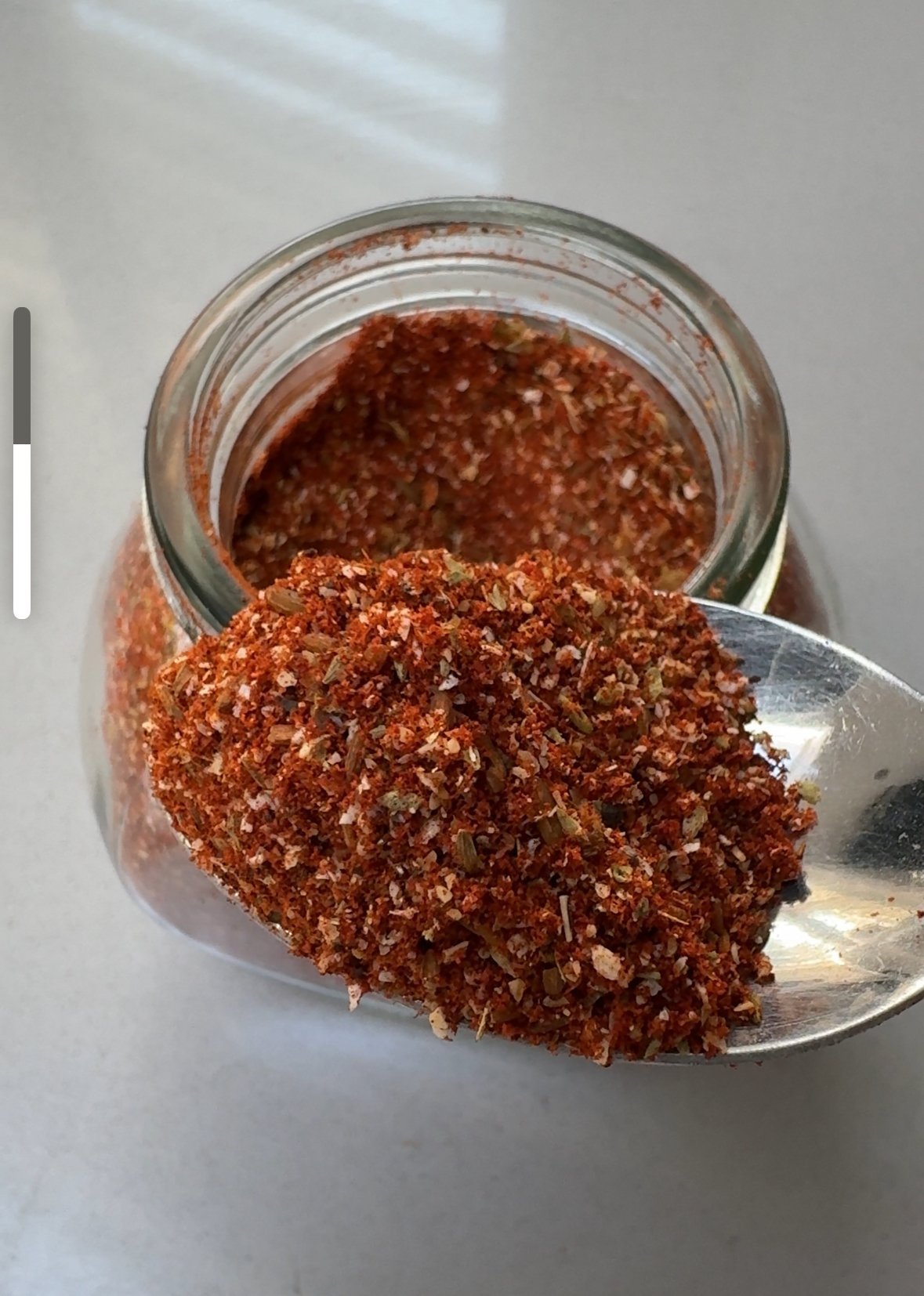
Using a spice blend is also a great way of increasing plant diversity in your diet, as each ingredient counts as one of the 30 plants a week that Tim Spector of Zoe suggests may optimise gut health.
Ingredients
Fills a 15cl IKEA Rajtan spice jar
1/2 cup chili powder
1/4 cup Hungarian sweet paprika
1 tablespoon ground cumin
2 teaspoons dried oregano
1 1/2 teaspoons garlic powder
1 teaspoon onion powder
1 teaspoon ground dried chipotle chile pepper
1 teaspoon sea salt
method
Mix all the ingredients together in a medium-sized bowl and store in an airtight jar
rose harissa hake with roasted cauliflower
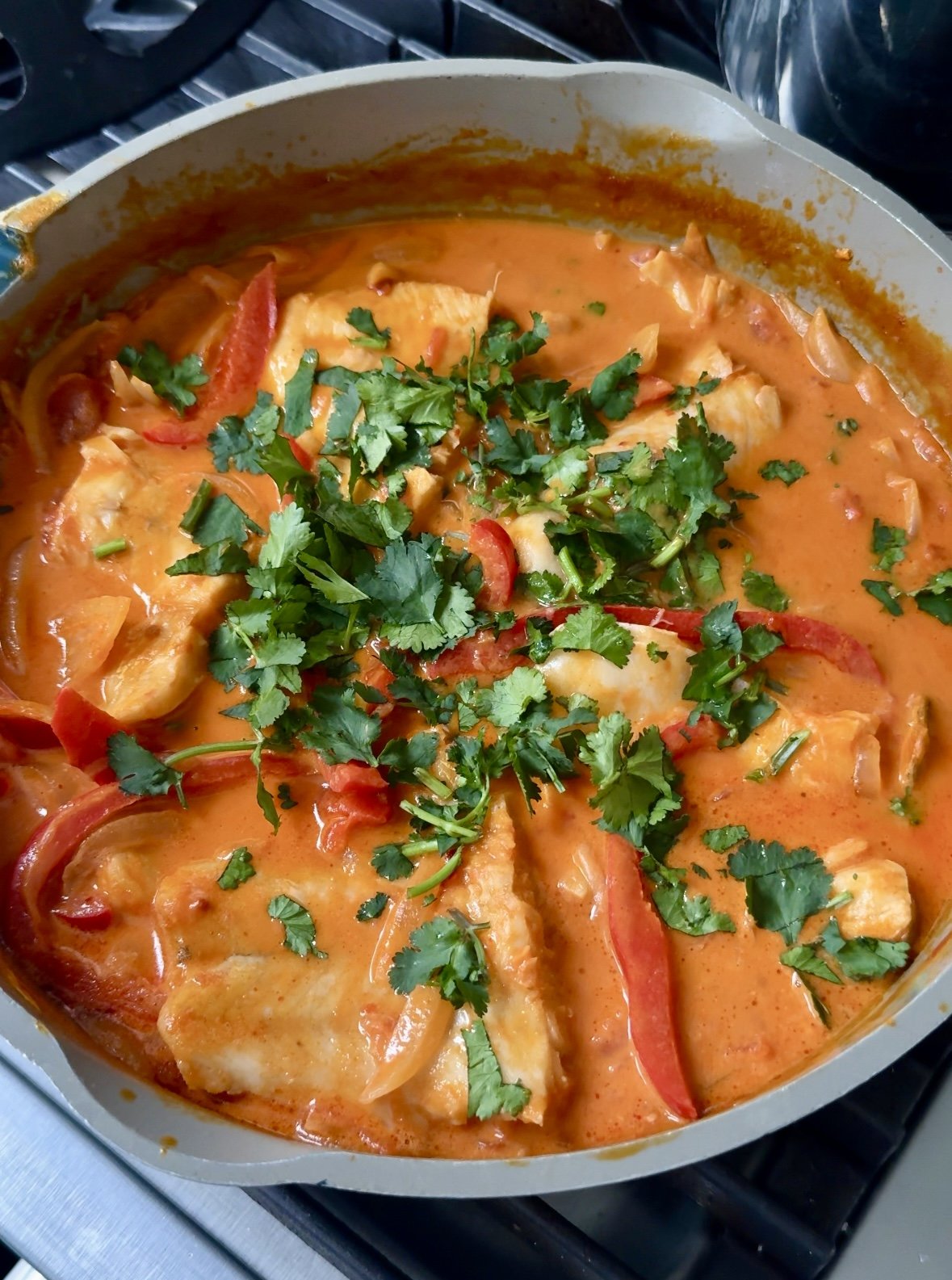
This recipe is a delicious mix of lovely warm spices from the rose harissa and slight sweetness from the hake and coconut milk. It’s a great way to get a bit more fish in your diet - and cooking it in a sauce was always a good way to get my kids to eat it!
Depending on how spicy you want to go, you can double the rose harissa for extra heat or dial it back if you want a milder creamier flavour.
Roasted cauliflower is one of my favourite veggies and works really well with this dish. I’ve made it super tasty with a mix of coconut oil, cumin, coriander, and smoked paprika. Cauliflower adds extra fiber to your plate and is also high in a compound called sulforaphane, which may enhance detoxification activity in the liver and protect against free radical cell damage in the body.
Hake is a good source of lean protein, with around 20g per 100g fillet. It’s a ‘complete’ protein containing all 9 ‘essential’ amino acids; these aminos are essential as they must be consumed in the diet as the body cannot synthesise them. It’s important to eat sufficient amounts of protein (I try to eat 1.5-2g per kg of body weight per day) for muscle repair and growth, immune function, heart health, and even brain function.
Hake is a good source of tryptophan, one of the nine essential amino acids. Tryptophan is understood to improve sleep quality as it helps to produce the hormone melatonin. Tryptophan is also a precursor to serotonin, which is important for sleep, mood, and appetite regulation.
Hake contains healthy polyunsaturated fatty acids, including omega 3s (but in smaller amounts than oily fish such as salmon and mackerel); these fats may have anti-inflammatory properties that can reduce the risk of heart and neurodegenerative diseases.
Hake is also high in several minerals that are essential for keeping our bodies functioning properly. The main ones include:
Phosphorus - this mineral is found in high-protein food as phosphates. It is associated with energy metabolism and can help with weight control. It also helps to maintain a normal PH, and is a major component of cell membranes, bones, and teeth. 85% of phosphorus in the body is found in bones.
Potassium - is a mineral and electrolyte that balances sodium levels in the body and, therefore, may help to regulate blood pressure. It is needed for normal muscular and nerve function and plays a role in maintaining bone density by neutralizing acids that can leach calcium from bones. A diet rich in potassium may help to reduce the risk of osteoporosis.
Magnesium is essential for over 300 enzymatic processes in the body, including energy production, DNA synthesis, muscle contraction and relaxation, blood sugar regulation, nerve function, and bone health.
These minerals are key to maintaining a healthy metabolism and bone strength and density and may be important in mid-life. Metabolism and lean muscle can decrease, and women, in particular, are more susceptible to a decrease in bone density and osteoporosis with declining levels of oestrogen as they reach perimenopause.
If you can’t get hold of hake, sub for any other white fish or salmon. You could also make this recipe vegan by using firm tofu chopped into cubes instead of fish.

Ingredients
Serves 4
½ tbsp coconut oil
1 lg onion, half moon slices
1 red pepper, sliced
1 lg garlic clove, grated finely
1 x 400g tinned tomatoes
1 x 400g tin coconut milk
1 tbsp rose harissa
4 hake fillets
Handful chopped coriander
2 limes cut in quarters
1 cauliflower, chopped in med florets
½ tsp ground cumin
½ tsp ground coriander
½ tsp ground smoked paprika
Pinch of sea salt
Method
Heat the oven to 180.
Warm a large sauté pan and melt the coconut oil.
Gently fry the onions for 10 mins, then add the red pepper for another 10 min.
Prep the cauliflower by spreading it in a large baking tray, add 4-5 knobs of coconut oil and the ground spices. Set aside.
Next, add the garlic to the onions and peppers for a minute before mixing in the ground spices. Allow to warm for 20 seconds, and then pour in the tomatoes and coconut milk. Add the harissa and simmer for 15 minutes.
Add the fish to the sauce for 10-12 minutes until the fish is cooked.
Place the cauliflower in the oven for 12 minutes.
Finish the fish by adding a good pinch of sea salt and chopped coriander, and serve with a couple of lime wedges.
Tip
Switch tinned for 6 large vine tomatoes.
You can use any white fish in this dish, so cod, sea bass, pollack
The sauce won’t be particularly thick but don’t worry, the rice and cauliflower soak it all up. You could add a tbsp of cornflower mixed in a little water to thicken if you want to though. Just make sure you whisk it into the sauce quickly, or it’ll end up in a lump!
teriyaki Salmon with noodles
I've been meaning to write up this recipe for ages, as it’s such a staple in our house. It's a great dish popular with kids and adults alike, as everyone can pick and choose the bits they want and leave out things they don’t. It's great for fussy eaters!
I’ve made the recipe as straightforward as possible, so it doesn’t take long to prep. There’s lots of flavour, protein, fibre (veggies), and the salmon is full of healthy omega-3 fats in the form of EPA (eicosapentaenoic acid) and DHA (docosahexaenoic acid).
Omega-3 fats:
They are anti-inflammatory and essential for maintaining overall health. Chronic inflammation is linked to various health conditions, including heart disease, arthritis, and autoimmune disorders. Omega-3s may also support immune function by enhancing the activity of immune cells.
Vital for brain function and development. They are a key component of cell membranes in the brain and help support cognitive function, memory, and overall mental health. Some studies suggest that omega-3s may also reduce the risk of age-related cognitive decline and Alzheimer's disease. They also play a role in neurotransmitter production, the chemicals that send signals in our brain, such as serotonin, dopamine, and adrenalin, which regulate mood.
Support heart health by reducing the risk of heart disease. They can help lower triglycerides, reduce blood pressure, prevent plaque buildup in arteries, and decrease the risk of abnormal heart rhythms.
Reduce joint pain and stiffness by helping to decrease inflammation and may improve overall joint function, particularly in those with rheumatoid arthritis and other inflammatory conditions.
Maintain the integrity and barrier function of the skin. Omega 3s can help reduce inflammation associated with skin conditions like acne, eczema, and psoriasis and may also promote wound healing.
Oily fish such as salmon, mackerel, sardines, and herring contain the highest levels of omega-3 fatty acids, and the NHS recommends eating at least one portion of them a week, plus a portion of non-oily fish. There are also vegan sources of omega-3s, including flaxseed, chia seeds, hemp seeds, and walnuts, but they are in the less bioavailable form of alpha-linolenic acid (ALA).

Ingredients
Serves 4Marinade
¾ tbsp sesame oil
6 tbsp soy sauce
1 tbsp rice wine vinegar
¾ tbsp mirin or runny honey
4 salmon fillets, skin on
300g medium fine noodles (I like wholewheat or buckwheat)
2 garlic cloves, finely chopped or grated
1 thumb of fresh ginger, finely grated
1/3 cucumber, chopped in fine sticks
6 radishes, chopped finely
150g tenderstem broccoli
200g baby corn
90g baby pak choi
1-2 tbsp rice or white wine vinegar
Optional: toasted sesame seeds or finely chopped spring onion
Method
Mix the marinade ingredients in a large dish large enough to hold the salmon in one layer, skin side up.
Preheat the oven to 180ºc.
Place the salmon in the dish and rotate to cover all sides in marinade. Set aside for 10-30 mins (max 45 minutes).
Place a sheet of parchment on a baking tray and spread out the salmon skin side down, allowing the excess marinade to drip back into the dish.
Put the salmon in the oven for 12 minutes.
Put the cucumber and radishes in a small bowl and pour over the vinegar
Boil a kettle so you have water to steam the veggies and cook the noodles.
After the salmon has been cooking for 5 minutes, steam the vegetables for 5-6 minutes until tender.
Cook the noodles in boiling water per the instructions (usually 5 minutes, but 2 if fresh).
Drain the noodles and rinse them in cold water to prevent sticking.
Warm your bowls in the oven for a few minutes.
Add the remaining marinade, plus 200ml of water, to the same pan you used for the noodles, heat quickly, and simmer for 3-4 minutes, then add the noodles, stirring well to coat.
Divide the noodles, steamed veggies, and salmon into bowls, along with a bundle of cucumber sticks and radish slices (drain off excess vinegar first).
Optional: top with toasted sesame seeds or spring onion.

Tip
You can use any combo of steamed veg that you like; choose three different types eg. carrots, mangetout, sugar snap peas, kale, green beans, courgettes, cavolo nero,
I prefer to steam the veggies, as they give the dish a fresher crunch than fried, but you can fry them in sesame oil if you prefer.
I sued buckwheat noodles, but switch or standard egg noodles or any kind of rice that you like - sticky, white, or brown.
Quick fish curry
This is a great healthy mid-week recipe that you can knock up in 30 minutes and hopefully you'll have most of the ingredients in your cupboard. Now I appreciate that not everyone will be totally stocked up, but if you like making curries then you probably have most of them below.

Ingredients
Serves 4
3 tbsp rapeseed oil
2 tsp mustard seeds
20 curry leaves
1 large onion, or 2 medium, finely sliced
1 clove garlic, chopped finely or minced
1 tsp dried chill flakes, or less if you don't like it hot
2 tins 400g tomatoes
3-4 tbsp coconut cream, or 1 x 400ml tin coconut milk
800g cod, or firm white fish
320g brown basmati
Method
First heat up the oil in a large pan, add the mustard seeds and heat until they start to pop.
Then add the curry leaves and warm through for 1-2 minutes.
Next put in the onion and fry gently for about 10 minutes until soft, then add the garlic and chilli flakes, cook for 2 minutes.
Pour in the tomatoes and simmer for 15 minutes before adding the coconut cream and 200ml of water, or just the tin of coconut milk. Simmer for 5 minutes.
Add the fish and cook for 5-7 minutes, or until it has heated right through.
Serve with basmati rice, a squeeze of lime and yoghurt
Filter by Tag
- pasta
- protein
- red pepper
- tomato
- oats
- banana
- butternut squash
- chickpeas
- lentils
- spinach
- Mexican
- aubergine
- cauliflower
- chicken
- coconut
- courgette
- fibre
- healthy
- Italian
- family
- feta
- red lentils
- salad
- sweet potato
- tahini
- almonds
- curry
- middle eastern
- orzo
- quinoa
- tomato sauce
- basil
- black beans
- broccoli
- chocolate
- healthy snack
- mushroom
- pumpkin seeds
- rose harissa
- soup
- vegan
- BBQ
- avocado
- blueberries
- blueberry
- chia
- chilli
- fish
- peanut butter
- pesto
Recent Posts